
Understanding Hydraulic Power Systems in Engineering
- magsonssakhib
- May 4
- 4 min read
Hydraulic power systems play a crucial role in many engineering fields, including aerospace, oil and gas, automotive, and marine industries. These systems use fluid pressure to generate, control, and transmit power. If you work with heavy machinery or complex industrial equipment, understanding how hydraulic power works can help you optimize performance and ensure safety.
Hydraulic systems are everywhere. From lifting heavy loads to precise control of aircraft components, they provide reliable and efficient power transmission. This article will guide you through the basics of hydraulic power, its components, applications, and maintenance tips. By the end, you will have a clear understanding of how hydraulic power systems function and why they are essential in modern engineering.
What Are Hydraulic Power Systems?
Hydraulic power systems use pressurized fluid to perform work. The fluid, usually oil, is pumped through pipes and valves to move mechanical parts. Unlike electrical or mechanical power, hydraulic power can deliver high force with smooth and precise control.
At the core of a hydraulic system is the hydraulic pump. It converts mechanical energy into fluid energy by pushing the fluid into the system. The fluid then flows through valves that control its direction and pressure. Finally, the hydraulic cylinder or motor converts the fluid power back into mechanical motion.
Key Components of Hydraulic Power Systems
Hydraulic Pump: Creates fluid flow and pressure.
Hydraulic Fluid: Transmits power and lubricates components.
Valves: Control fluid flow and pressure.
Actuators (Cylinders or Motors): Convert fluid power into mechanical movement.
Reservoir: Stores hydraulic fluid.
Filters: Keep the fluid clean to prevent damage.
Each component must work perfectly to ensure the system operates efficiently and safely. For example, a worn-out pump can reduce pressure, while dirty fluid can cause valve blockages.
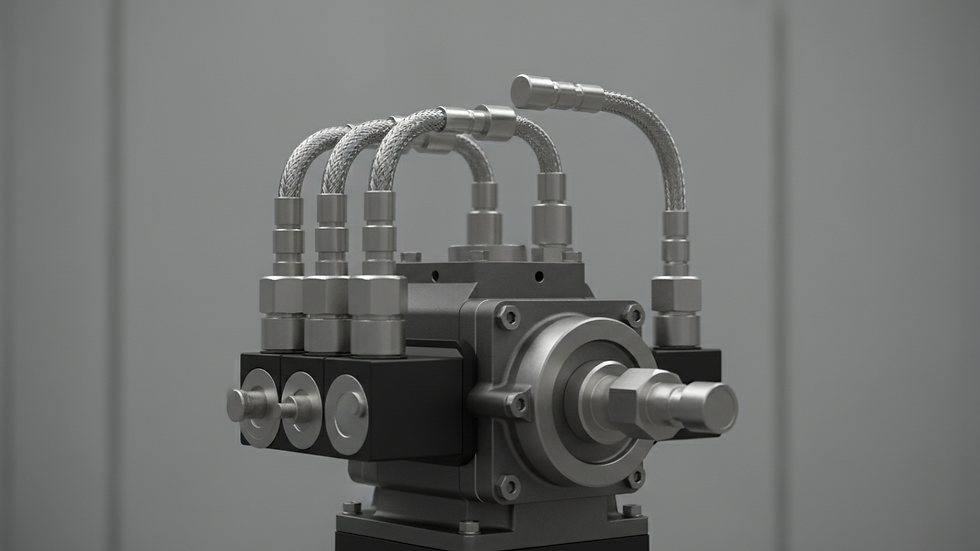
Hydraulic pump and piping system close-up showing fluid flow components
How Hydraulic Power Systems Work in Engineering
Hydraulic power systems operate on Pascal’s principle, which states that pressure applied to a confined fluid is transmitted equally in all directions. This principle allows a small force applied at one point to be multiplied at another point.
Imagine you have two connected cylinders filled with hydraulic fluid. If you push down on a small piston, the pressure travels through the fluid and pushes up a larger piston with greater force. This force multiplication is why hydraulic systems are ideal for lifting heavy loads or applying strong clamping forces.
Practical Applications in Industry
Aerospace: Hydraulic systems control landing gear, brakes, and flight control surfaces.
Oil & Gas: They operate drilling rigs, valves, and heavy lifting equipment.
Automotive: Power steering and braking systems rely on hydraulics.
Marine: Ship steering and deck machinery use hydraulic power for reliable operation.
In each case, hydraulic power systems provide smooth, controllable, and powerful motion. They are preferred where electric motors or mechanical linkages would be too bulky or less precise.

Hydraulic cylinders on industrial machinery providing controlled movement
Designing Efficient Hydraulic Power Systems
When designing a hydraulic power system, you need to consider several factors to ensure efficiency and reliability.
Fluid Selection
Choosing the right hydraulic fluid is critical. The fluid must have the right viscosity, temperature stability, and lubricating properties. Mineral oils are common, but synthetic fluids may be used in extreme conditions.
System Pressure and Flow Rate
Determine the required pressure and flow rate based on the load and speed of the actuator. Higher pressure means more force, but it also requires stronger components and better seals.
Component Sizing
Select pumps, valves, and actuators that match the system’s pressure and flow requirements. Oversized components waste energy, while undersized parts can fail prematurely.
Safety and Maintenance
Include pressure relief valves to prevent overpressure situations. Design the system for easy access to filters and fluid reservoirs for regular maintenance.
For complex projects, partnering with experienced engineering firms like al safeenah engineering sharjah can help you design and build hydraulic systems tailored to your needs. Their expertise covers everything from initial design to final assembly, ensuring high-quality and reliable solutions.
Troubleshooting Common Hydraulic Power System Issues
Even well-designed hydraulic systems can face problems. Knowing how to identify and fix common issues will save you time and money.
Low Pressure or Slow Movement
Check for leaks in hoses or fittings.
Inspect the pump for wear or damage.
Ensure the fluid level is adequate and the fluid is clean.
Overheating
Verify that the fluid is the correct type and viscosity.
Check for clogged filters or blocked cooling lines.
Avoid running the system at excessive pressure or flow rates.
Noisy Operation
Air trapped in the system can cause noise; bleed the system properly.
Worn bearings or loose components may also generate noise.
Erratic Movement
Faulty valves or contaminated fluid can cause jerky actuator motion.
Regularly replace filters and monitor fluid cleanliness.
By following a routine maintenance schedule and addressing issues promptly, you can extend the life of your hydraulic power system and maintain optimal performance.
Enhancing Performance with Modern Hydraulic Technologies
Hydraulic power systems continue to evolve with new technologies that improve efficiency and control.
Electro-Hydraulic Systems
These combine electrical controls with hydraulic power, allowing precise automation and remote operation. Sensors and electronic valves enable real-time adjustments and diagnostics.
Energy Recovery Systems
Some hydraulic systems now include energy recovery features that capture and reuse energy during operation, reducing fuel consumption and emissions.
Advanced Materials and Seals
New materials improve the durability of components, especially in harsh environments like offshore oil rigs or aerospace applications.
By staying updated with these advancements, you can ensure your hydraulic systems remain competitive and reliable.
Final Thoughts on Hydraulic Power Systems
Understanding hydraulic power systems is essential for anyone involved in engineering heavy machinery or industrial equipment. These systems offer unmatched power density, control, and reliability when designed and maintained properly.
Whether you are working on aerospace controls, oil and gas machinery, automotive systems, or marine equipment, mastering hydraulic power principles will help you deliver better results. Remember to focus on proper component selection, fluid management, and regular maintenance.
If you need expert support for your hydraulic projects, consider reaching out to al safeenah engineering sharjah. Their comprehensive engineering solutions can help you tackle complex challenges and achieve your project goals with confidence.
By applying the knowledge shared here, you can optimize your hydraulic power systems for performance, safety, and longevity.


Comments