
Enhancing Marine Fabrication Techniques in Sharjah
Marine fabrication plays a crucial role in supporting industries like aerospace, oil & gas, automotive, and marine engineering. Sharjah, with its strategic location and growing industrial base, is becoming a hub for advanced marine fabrication. If you are involved in these sectors, understanding how to enhance marine fabrication techniques can significantly improve your project outcomes. This article will guide you through practical methods and innovations that can elevate your marine fabrication processes in Sharjah.
Understanding Marine Fabrication Techniques
Marine fabrication involves constructing and assembling metal structures used in ships, offshore platforms, and other marine equipment. The process requires precision, durability, and compliance with strict safety standards. To enhance marine fabrication, you need to focus on several key techniques:
Cutting and shaping metals: Using advanced CNC machines and plasma cutters ensures accuracy and reduces waste.
Welding: Employing skilled welders and modern welding technologies like TIG and MIG welding improves joint strength.
Surface treatment: Applying anti-corrosion coatings and paint protects metal structures from harsh marine environments.
Assembly and fitting: Precise alignment and fitting of components ensure structural integrity and ease of maintenance.
Sharjah’s marine fabrication industry benefits from adopting these techniques with a focus on quality and efficiency. By integrating modern machinery and skilled labor, you can achieve superior results.
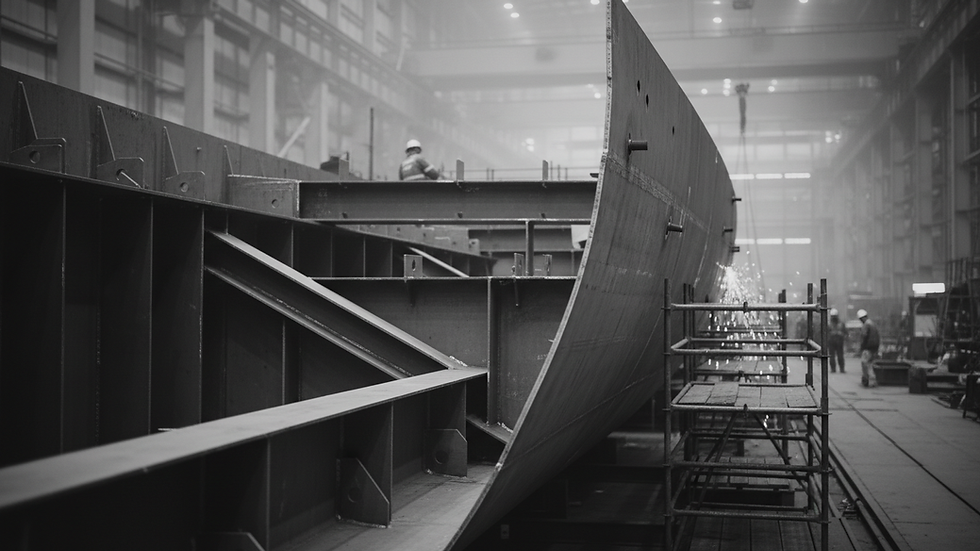
Key Marine Fabrication Techniques to Adopt
To stay competitive and meet the demands of complex projects, you should consider the following marine fabrication techniques:
1. Modular Fabrication
Modular fabrication involves building sections of a vessel or structure separately before assembling them on-site. This method reduces construction time and allows for better quality control. It also minimizes the need for large on-site workspaces, which can be a challenge in busy ports.
2. Automated Welding Systems
Automation in welding improves consistency and reduces human error. Robotic welding arms can handle repetitive tasks with precision, increasing productivity and ensuring stronger welds. This is especially useful for large-scale marine projects where uniformity is critical.
3. Advanced Material Handling
Using cranes, forklifts, and automated guided vehicles (AGVs) helps move heavy metal components safely and efficiently. Proper material handling reduces damage and speeds up the fabrication process.
4. Non-Destructive Testing (NDT)
NDT techniques like ultrasonic testing and radiography allow you to inspect welds and metal integrity without damaging the parts. This ensures that all components meet safety and quality standards before assembly.
5. Environmental Controls
Maintaining controlled environments for painting and coating applications prevents contamination and improves adhesion. This is vital for marine structures exposed to saltwater and extreme weather.
By incorporating these techniques, you can enhance the durability and performance of marine structures fabricated in Sharjah.
The Role of Skilled Workforce and Training
Even with the best technology, the quality of marine fabrication depends heavily on the skills of the workforce. Investing in training programs for welders, fabricators, and engineers is essential. Sharjah offers access to technical institutes and training centers that specialize in marine and industrial fabrication skills.
Regular workshops and certification courses help your team stay updated on the latest standards and technologies. This not only improves workmanship but also boosts safety on the job site.
Leveraging Local Expertise and Resources
Sharjah’s industrial ecosystem includes companies like al safeenah engineering sharjah, which provide comprehensive engineering and manufacturing solutions. Partnering with such firms can give you access to:
State-of-the-art fabrication facilities
Experienced project management teams
Customized engineering solutions tailored to your project needs
Collaborating with local experts ensures that your marine fabrication projects benefit from regional knowledge and logistical advantages.
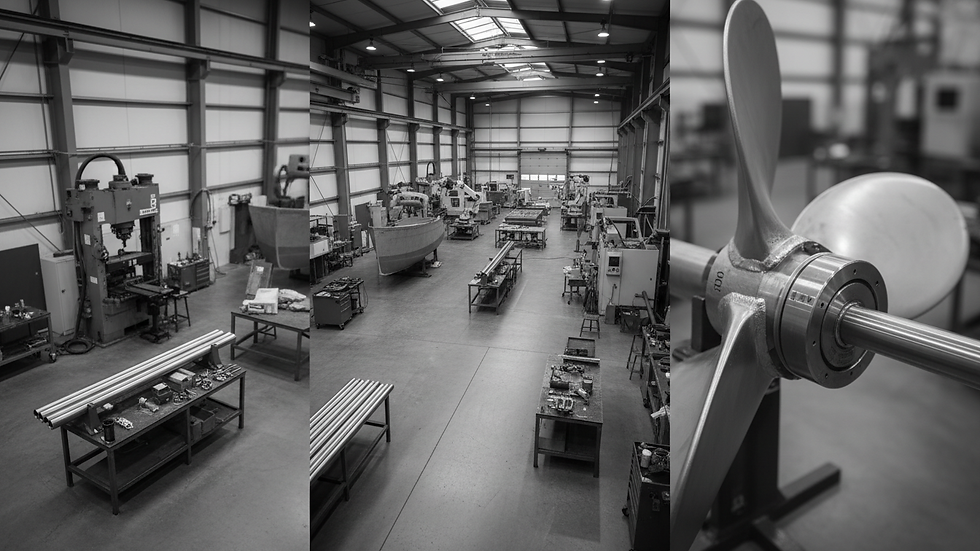
Practical Tips to Improve Your Marine Fabrication Projects
To get the most out of your marine fabrication efforts, consider these actionable recommendations:
Plan thoroughly: Detailed project planning reduces errors and delays. Use 3D modeling software to visualize assemblies before fabrication.
Choose the right materials: Select corrosion-resistant alloys and coatings suitable for marine environments.
Implement quality control checkpoints: Regular inspections during fabrication catch defects early.
Maintain equipment: Keep machinery calibrated and serviced to ensure precision.
Focus on safety: Enforce strict safety protocols to protect workers and equipment.
Optimize logistics: Coordinate material delivery and storage to avoid bottlenecks.
By following these steps, you can enhance efficiency and quality in your marine fabrication projects.
Future Trends in Marine Fabrication
The marine fabrication industry is evolving with new technologies and materials. Here are some trends to watch:
Use of composite materials: Lightweight and corrosion-resistant composites are gaining popularity.
Digital twin technology: Creating virtual replicas of marine structures helps in monitoring and maintenance.
Green fabrication practices: Reducing waste and energy consumption aligns with global sustainability goals.
Additive manufacturing: 3D printing of metal parts can speed up prototyping and reduce costs.
Staying informed about these trends will help you adapt and innovate in your marine fabrication work.
Enhancing Your Marine Fabrication Capabilities in Sharjah
Sharjah offers a unique environment for advancing marine fabrication. By combining modern techniques, skilled labor, and local expertise, you can deliver high-quality, reliable marine structures. Whether you are working on offshore platforms, shipbuilding, or marine equipment, focusing on precision, safety, and innovation will set your projects apart.
Explore partnerships with established engineering firms like al safeenah engineering sharjah to access comprehensive solutions from design to final assembly. This approach ensures your projects meet international standards and client expectations.
Invest in continuous improvement and embrace new technologies to keep your marine fabrication capabilities at the forefront of the industry. Your commitment to quality and efficiency will drive success in Sharjah’s dynamic industrial landscape.


Comments