
Nylon Rollers vs. Steel Rollers: Which Is the Right Choice for Your UAE Industrial Application in 2026?
- Al Safeenah

- Apr 22
- 5 min read
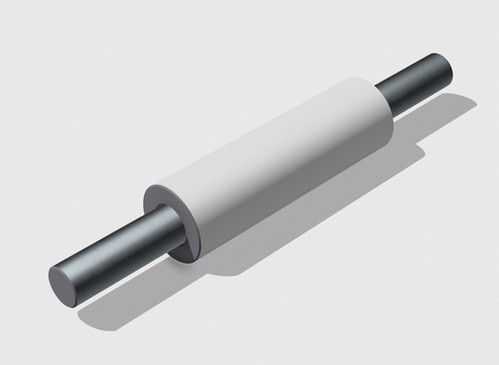
Most roller failures don’t start with breakdowns. They start with the wrong material choice. The system runs fine at first. Then noise builds. Wear becomes uneven. Bearings take extra load. Downtime follows. In many UAE facilities, this happens when teams choose between steel rollers and nylon rollers without fully checking load, speed, and operating conditions. This blog breaks down where each material actually works, where it fails, and how to choose based on real industrial conditions. Because getting this wrong does not just affect performance. It affects uptime, maintenance, and cost over time.
Why This Choice Matters More Than Most Engineers Expect?
On paper, both materials can handle the job. In practice, the wrong choice shows up in how the system behaves over time. It affects load distribution, alignment, and how quickly components start wearing out. These are not isolated issues. They compound across the system.
Incorrect material increases friction at contact points
Misalignment puts stress on shafts and bearings
Wear accelerates across rollers and supporting components
Maintenance cycles become shorter than planned
Same system. Different material. Very different outcome. That’s why this decision carries more weight than it seems.
What Nylon Rollers Actually Do in Industrial Systems?
Nylon rollers don’t try to overpower the system. They reduce resistance inside it. That’s the difference. In the right setup, they keep movement smooth, reduce surface wear, and take pressure off connected components. You don’t notice them when they work well. That’s the point.
Where They Work Best
You’ll usually find them in:
Conveyor systems with continuous movement
Packaging and material handling lines
Guide rollers where alignment matters
Systems where noise needs to stay low
They perform well when speed and consistency matter more than brute strength.
What Makes Them Work
It comes down to how nylon behaves under load.
Low friction reduces drag on belts and shafts
Slight flexibility absorbs minor misalignment
Good wear resistance under repeated cycles
No corrosion issues in humid or marine conditions
What Steel Rollers Are Built for?
Steel rollers don’t reduce resistance. They take load. That’s their job. When the system gets heavy, fast, or unpredictable, steel holds its ground. It does not flex much. It does not absorb misalignment. It stays rigid and carries weight.
Where Steel Rollers Make Sense
You’ll see them in setups where failure is not an option.
Heavy-duty conveyors
Steel fabrication lines
High load transfer systems
Areas with impact or sudden force
If the load is high and constant, steel is usually the safer choice.
What Makes Them Reliable
Steel performs well because of its structure.
High tensile strength handles heavy loads
Rigid body keeps alignment stable under pressure
Better tolerance for high temperatures
Handles impact without deformation
This is why they are used in demanding environments.
Where Problems Start
Steel does not forgive small mistakes.
Higher friction increases wear on belts
Requires proper lubrication
Noise levels are higher
Corrosion becomes a factor without coating
If the system does not need that level of strength, steel can create more problems than it solves.
Nylon vs Steel Rollers: What Changes in Real Applications
At this point, it’s not about material properties. It’s about how the system behaves once it starts running. Here’s where the difference shows up on the floor, not on paper.
Side-by-Side Comparison That Actually Matters:
Choose nylon rollers when:
The load stays within moderate limits
The system runs continuously for long hours
Belt life matters and needs to be extended
Noise levels need to stay under control
The environment has moisture or corrosion risk
Nylon helps when you want less friction and fewer interruptions.
Choose steel rollers when:
The load is heavy and constant
The system faces impact or shock loads
Operating temperatures are high
Structural rigidity is critical
Equipment handles bulk material or dense loads
Steel handles pressure without losing form.
Common Mistakes Engineers Make When Selecting Roller Materials
Most issues don’t come from bad systems. They come from small decisions made too quickly.
Choosing Based on Load Alone
This is the most common one. Steel gets picked because the load looks heavy. But the system also runs fast, or needs low friction. Now you have strength, but too much resistance. Load matters. So does movement.
Ignoring Duty Cycle
A system running 2 hours a day behaves very differently from one running 20. Nylon performs well under continuous cycles. Steel handles stress better under heavy, intermittent loads. Ignore this, and wear shows up early.
Overlooking Alignment and System Tolerance
Not every system runs perfectly aligned. Nylon absorbs small deviations. Steel does not. In slightly misaligned setups, steel transfers stress to bearings and shafts. That’s where failures begin.
Treating Environment as a Secondary Factor
UAE conditions are not neutral. Heat, humidity, and dust all play a role. ● Nylon handles moisture well. ● Steel needs protection against corrosion ● Dust increases abrasion across both Ignoring this leads to faster degradation.
Over-Specifying Steel “Just to Be Safe”
It feels like the safer option. But steel adds weight, friction, and maintenance where it may not be needed. In many cases, it solves one problem and creates two more.
Latest Advancements in Roller Materials and Design
This is not just nylon vs steel anymore. That conversation is a bit outdated. What’s changing now is how these materials are built and used inside real systems.
1. Nylon Is Not the Same Material Anymore
Older nylon had clear limits. Heat. Load. Deformation. Newer grades handle these better.
Reinforced nylon takes higher load than before
Wear resistance has improved under continuous cycles
Dimensional stability is tighter under stress
In simple terms, nylon has grown up. It still has limits. But it is not as “light-duty” as people assume.
2. Steel Is Getting Smarter, Not Just Stronger
Steel used to mean strength and maintenance.
Now it is getting refinements.
Surface coatings reduce corrosion issues
Better finishing lowers friction at contact points
Improved machining keeps tolerances tighter
It still does the heavy lifting. But now it behaves better while doing it.
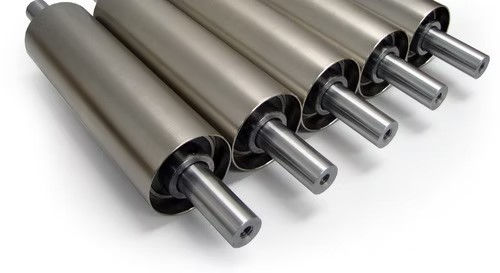
3. Hybrid Rollers Are Showing Up More Often
This is where things get practical. Instead of arguing nylon vs steel, many systems now use both.
Steel inside for strength
Nylon outside for smoother movement
You get load capacity and reduced friction in the same setup. Less compromise. More balance.
Final Thought
Roller choice looks small on paper. It rarely stays small on the floor. Get it right, and the system runs without complaints. Get it wrong, and it keeps reminding you. This is where experience matters. Al Safeenah Engineering does not just machine parts. They understand how these components behave under real load, real conditions, and real pressure. That’s the difference between something that fits and something that works. Got a system that won’t behave? Contact Al Safeenah and fix the root, not the symptom.
FAQs
1. Are nylon rollers suitable for heavy industrial applications?
They work well under moderate loads, but high-load systems usually require steel.
2. When should steel rollers be preferred over nylon rollers?
Use steel for heavy loads, high impact, and high-temperature environments.
3. Do nylon rollers wear out faster than steel rollers?
Not always. In low-friction systems, they can reduce overall system wear.
4. Can nylon and steel rollers be used together in one system?
Yes, hybrid setups are common to balance load handling and smooth movement.
5. What factors should engineers consider before selecting roller material?
Load, speed, environment, duty cycle, and maintenance capability.


Comments