
Mastering the Art of Metal Forming Dies with Precision Metal Forming Techniques
Metal forming dies are the backbone of many manufacturing processes. They shape raw metal into precise components used in aerospace, oil & gas, automotive, and marine engineering. If you want to excel in this field, understanding the art and science behind metal forming dies is essential. This post will guide you through the key concepts, techniques, and practical tips to help you master this craft.
Understanding Precision Metal Forming Techniques
Precision metal forming techniques are methods used to shape metal parts with high accuracy and repeatability. These techniques rely heavily on the design and quality of the dies used. The better the die, the more precise the final product.
Some common precision metal forming techniques include:
Stamping: Using a press to cut or shape metal sheets.
Forging: Shaping metal by applying compressive forces.
Extrusion: Forcing metal through a die to create long shapes.
Deep Drawing: Forming sheet metal into hollow shapes.
Each technique requires a specific type of die designed to handle the forces and material flow involved. For example, stamping dies must be sharp and durable to cut metal cleanly, while forging dies need to withstand high pressure and heat.
When you focus on precision, you reduce waste, improve product quality, and increase production efficiency. This is why industries like aerospace and automotive demand the highest standards in metal forming dies.

What is a Die Used for in Manufacturing?
A die is a specialized tool used to cut, shape, or form material, usually metal, into a desired shape. Think of it as a mold or template that guides the metal into the exact form needed for a part.
In manufacturing, dies serve several purposes:
Cutting: Shearing metal sheets into specific shapes.
Forming: Bending or shaping metal without removing material.
Drawing: Pulling metal into a hollow shape.
Coining: Creating fine details on metal surfaces.
Dies are critical because they ensure consistency across thousands or even millions of parts. Without dies, producing uniform components would be nearly impossible.
For example, in the automotive industry, dies are used to create body panels, engine parts, and structural components. Each part must meet strict tolerances to ensure safety and performance.
Designing a die involves understanding the material properties, the forming process, and the final product requirements. This knowledge helps you create dies that last longer and produce better parts.
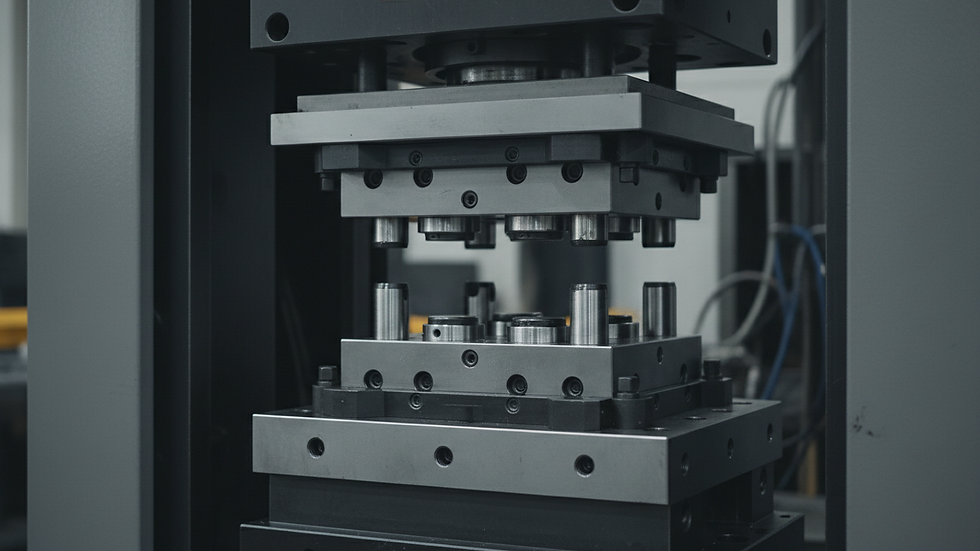
The Role of Material Selection in Die Manufacturing
Choosing the right material for your die is crucial. The material affects the die’s durability, performance, and cost. Common materials used for dies include:
Tool Steels: Known for hardness and wear resistance.
Carbide: Extremely hard and wear-resistant but brittle.
Alloy Steels: Balanced toughness and strength.
Hardened Steel: Offers good toughness and durability.
Each material has pros and cons. For example, tool steels are versatile and widely used, but they may wear faster under extreme conditions. Carbide dies last longer but can crack if mishandled.
When selecting die materials, consider:
The type of metal being formed.
The production volume.
The forming process (e.g., stamping, forging).
The expected die life.
Proper material selection reduces downtime and maintenance costs. It also ensures consistent product quality.
Designing Dies for Complex Industrial Projects
Designing dies for complex projects requires a deep understanding of both engineering and manufacturing processes. Here are some key points to keep in mind:
Start with a Clear Design Brief
Understand the part specifications, tolerances, and production volume.
Use Advanced CAD Software
Modern design tools help you create precise die models and simulate metal flow.
Consider Die Maintenance
Design dies for easy maintenance and repair to minimize downtime.
Incorporate Cooling and Lubrication Channels
These features help control temperature and reduce wear during forming.
Test Prototypes
Build and test prototype dies to identify issues before full production.
By following these steps, you can create dies that meet the demanding requirements of aerospace, oil & gas, automotive, and marine sectors.
Enhancing Production with Metal Forming Dies Manufacturing
To achieve the best results, you need a reliable partner for metal forming dies manufacturing. This process involves precision machining, heat treatment, and quality control to produce dies that perform consistently.
Here are some tips to enhance your production:
Invest in High-Quality Machining Equipment
CNC machines and EDM (Electrical Discharge Machining) provide the accuracy needed.
Implement Rigorous Quality Checks
Use coordinate measuring machines (CMM) to verify die dimensions.
Focus on Heat Treatment
Proper heat treatment improves die hardness and lifespan.
Train Skilled Operators
Experienced technicians can spot potential issues early.
Use Feedback Loops
Collect data from production runs to improve die design and maintenance.
By optimizing these areas, you ensure your dies deliver top performance and reduce costly downtime.
Future Trends in Metal Forming Dies
The field of metal forming dies is evolving with new technologies and materials. Here are some trends to watch:
Additive Manufacturing
3D printing is being used to create complex die components that were previously impossible to machine.
Smart Dies
Embedded sensors can monitor temperature, pressure, and wear in real-time.
Advanced Coatings
New coatings improve die surface hardness and reduce friction.
Simulation Software
Enhanced simulation tools allow better prediction of metal flow and die stresses.
Staying updated with these trends will help you maintain a competitive edge and deliver innovative solutions.
Taking Your Metal Forming Dies to the Next Level
Mastering metal forming dies is a journey that combines knowledge, skill, and technology. By focusing on precision metal forming techniques, selecting the right materials, designing smart dies, and partnering with expert manufacturers, you can achieve outstanding results.
Remember, every detail matters. From the initial design to the final assembly, your commitment to quality will reflect in the parts you produce. Keep learning, experimenting, and refining your approach to become a true master of metal forming dies.
Your next project deserves nothing less than excellence. Start mastering the art today.


Comments